Local search has evolved from a helpful add-on to a vital channel that drives transactions. Location-based queries frequently lead directly to purchases or visits. The rise of “near me” and “nearby” searches highlights this shift.
When users include these terms, they are signaling their readiness to take action. For any business that wants to avoid losing visibility in an increasingly local economy, building a strong localized digital footprint is essential.
In this article, you will learn how to improve local SEO rankings using proven and the latest Local SEO tactics that can transform your business’s visibility. Let’s get started:
What Local Seo Is And What Its Goals Should Be
Local SEO means optimizing your entire online presence so nearby customers can find and choose you. That includes your website, Google Business Profile, listings in local directories, and social profiles.
The objective is to make your business the obvious, credible choice for location-specific searches on Google, Bing, and other engines.
The core goals of local search engine optimization should be:
➡ Maximizing visibility: Striving to appear in the Local Pack (map plus top listings) and ensuring high rankings in localized organic results so your business is seen first.
➡ Driving action: Local SEO should convert searches into real-world outcomes—walk-ins, phone calls, appointment bookings, and website visits.
➡ Capturing high-intent leads: Local queries frequently indicate purchase intent; the 76% smartphone-to-visit stat highlights the opportunity to turn motivated searchers into customers quickly.
➡ Building trust: Accurate listings, consistent NAP (name, address, phone), and managed reviews create credibility that both users and search algorithms reward.
What Are the Key Differences Between Local & National SEO?
How local SEO differs from national SEO matters a lot for anyone wondering how to improve local SEO rankings. The goals, signals, and tactics shift from broad authority-building to tightly focused, location-driven optimization.
⇒ Geographic Reach
National SEO aims to reach a broad audience, targeting an entire country or even international markets without specific location constraints. In contrast, local SEO concentrates on connecting businesses with customers in specific cities, districts, or neighborhoods.
⇒ Ranking Factors
Local SEO emphasizes proximity, meaning how close a business is to the searcher’s location plays a crucial role in rankings. National SEO, however, relies more on general authority signals such as high-quality backlinks and overall content relevance.
⇒ Core Platforms
National SEO primarily focuses on optimizing websites. On the other hand, local SEO puts significant emphasis on managing the Google Business Profile (GBP), which can sometimes help businesses achieve prominent placement in local search results even without a website.
⇒ Information Consistency
A key element of local SEO is maintaining consistent Name, Address, and Phone Number (NAP) information across all online platforms to establish trust with search engines. This level of detailed data management is usually not required in national SEO campaigns.
⇒ Search Intent and Keywords
Local SEO targets keywords that include geographic terms or proximity indicators, like “bakery in Denver” or “dentist near me.” National SEO keywords are typically broader and less location-specific, focusing on general informational or product-related searches.
Why Local SEO Matters for Local Businesses?
Local SEO benefits local businesses of all sizes. However, small businesses gain the most from local SEO. It helps connect businesses with nearby customers who are often ready to act.
If you want to improve your local SEO rankings, start by understanding why the investment pays off first.
✓ High conversion potential
Mobile local searches drive real-world visits. Seventy-six percent of consumers who do a local search on their smartphone visit a related business within 24 hours, and 28% of those searches lead to a purchase.
In short: local queries are not casual browsing; they frequently convert.
✓ Search volume and competitive opportunity
Nearly half of all Google searches (about 46%) carry local intent. That level of demand gives small and mid-sized businesses a chance to compete.
Search engines prioritize proximity and relevance, so a well-optimized local presence can outrank larger chains without matching their marketing budgets.
✓ Mobile dominance and “near me” behavior
More than 58% of global web traffic now comes from mobile devices. People search while commuting, shopping, or traveling, often using “near me” or location-specific phrases.
Visibility on mobile is therefore a critical element in how to improve local SEO rankings.
✓ Trust, reputation and the Local Pack
Showing up in the Local Pack — the top three map listings — signals credibility. Appearing there alongside positive reviews matters because 98% of consumers use the internet to research local businesses.
Reviews, accurate listings and local citations directly affect visibility and consumer trust.
✓ AI, answer engines and entity relevance
As search shifts toward AI-driven answers, a strong local SEO foundation becomes the data these systems use. One study found that business websites account for 58% of the results ChatGPT returns when the prompt has a local intent.
Including local landmarks, community mentions and geotagged photos strengthens your Entity Relevance, making it more likely AI and search engines will recommend your business.
How Google’s Local Ranking System Works
Google’s local ranking algorithm differs from its general search engine formula. For local queries it relies on three main pillars:
➦ Relevance
Measures how well a Google Business Profile (GBP) or a website matches the user’s search term. Accurate categories, detailed business descriptions, and clearly listed services help Google understand and match your business to relevant queries.
➦ Distance (Proximity)
Google gauges how close a business is to the searcher’s location or the location specified in the query. Proximity is a dominant factor and one that local businesses cannot easily manipulate.
➦ Prominence
Reflects how established a business is online and offline. Signals include review volume and quality, backlinks, and mentions in local directories. Strong prominence helps lift local search rankings.
Emerging signal — Emotional Velocity:
Google increasingly measures behavioral signals: clicks, phone calls, driving directions requests and other user reactions to gauge which listings deliver value.
Listings that trigger trust, urgency, or relief tend to generate more of these actions, and Google uses that data as tie-breakers to reward higher placement in Maps and local results.
How to Improve Local SEO Rankings in 2026
Below are practical steps to follow to ensure dominance of your business in Local search result pages, as well as in the LLMs, answer engines and voice search:
Step 1 — Optimize Your Google Business Profile (GBP)
The Google Business Profile is a key factor in local search rankings, responsible for nearly 32% of the ranking strength within the “Local Pack.”
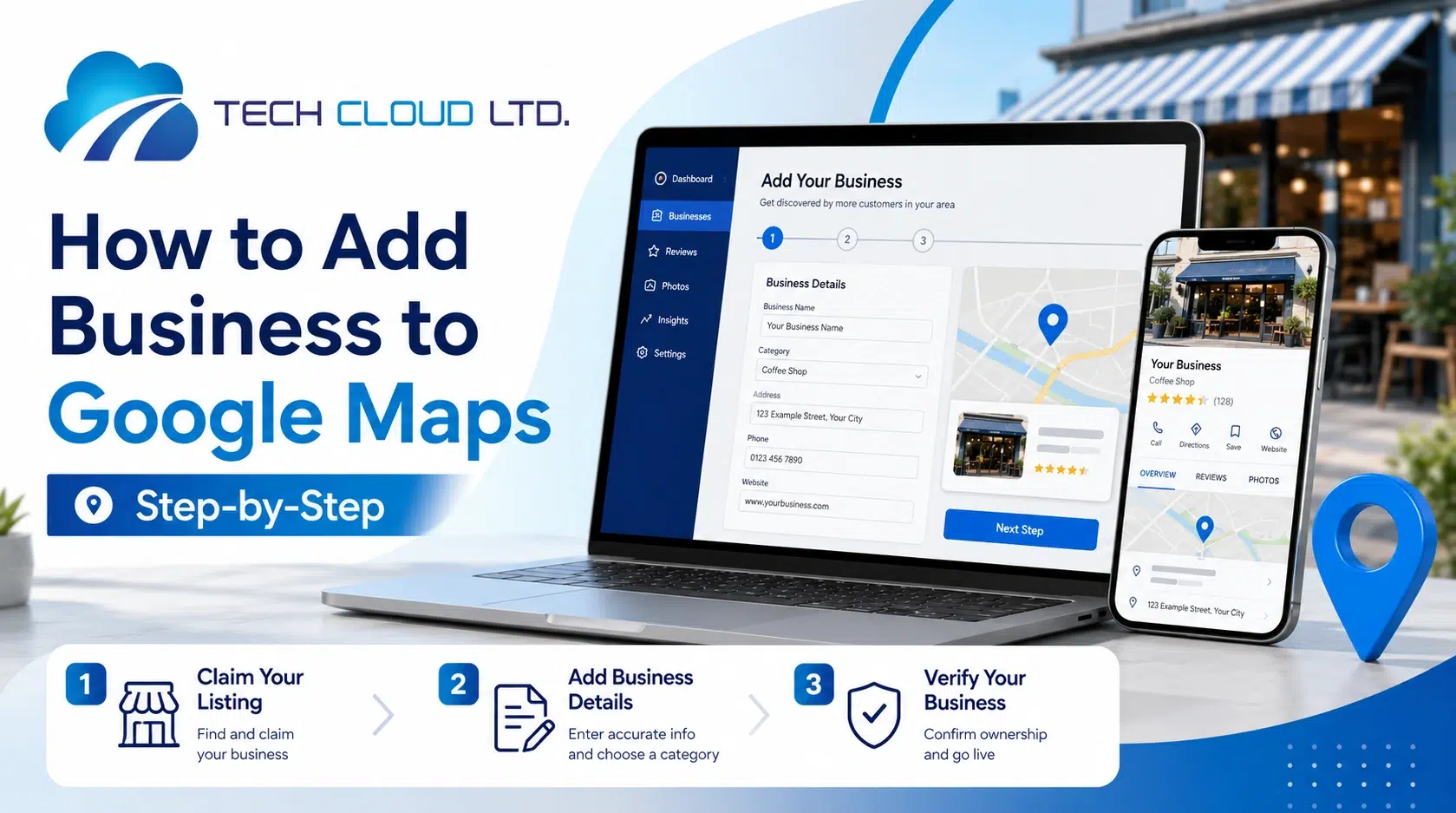
- Claim and verify: Claim your business profile if it already exists, then proceed to complete the verification process (usually by mailed postcard; some businesses qualify for phone or video verification). Until verified, optimized details and photos won’t appear in search results.
- Avoid Keyword Stuffing: Use only your legal business name. Adding keywords to the name to manipulate rankings risks suspension. If your legal name genuinely includes a service, that’s acceptable (example: “Glendevin Motors Luxury Car Rentals”).
- Choose Right Categories: Select the correct primary category—the single most important category factor for Local Pack ranking. You may add up to nine secondary categories, but select only those that truly reflect your services to avoid category confusion.
- Use Genuine Images: Always use original photos of your storefront, staff, and work not stock photos. Real images increase clicks by about 35%. In 2026 Google’s AI can detect stock photos; generic imagery can harm CTR and reduce trust signals.
- Ensure Active Engagement: Publish Google Posts (offers, events, updates) regularly at minimum weekly to signal activity. Populate the Q&A section proactively with frequently asked questions to provide immediate answers and additional indexed content.
✎ Note: If you’re feeling stuck on how to do it, don’t worry! Just check out our comprehensive guide on optimizing your Google Business Profile.
Step 2 — Master Reviews and Reputation Management
Reviews are a major ranking signal—typically the second most important factor for both the Local Pack and AI-driven local results.
- Ask for reviews often: Recency and frequency matter. Send review requests soon after service delivery. SMS outreach is especially effective (about a 98% open rate versus roughly 20% for email).
- The “Rule of Five”: Maintain at least five reviews so Google will display your star rating in search results; visible ratings boost CTR and visibility.
- Respond to every review: Reply to positive and negative feedback professionally. Thoughtful responses show Google and potential customers you are engaged; handling complaints well can increase trust.
- Encourage location & service mentions: Ask customers to reference specific services and neighborhoods (for example, “best roofing repair in Downtown Denver”). Google uses user-generated text to map relevance to local queries.
- Leverage Emotional Velocity: Listings that generate actions (clicks, calls, driving directions) and emotional reactions are favored. Focus on experiences and touches that create trust and urgency to increase behavioral signals that improve local search rankings.
Step 3: Ensuring NAP Consistency and Building Citations
Accurate NAP (Name, Address, Phone Number) is the foundation for improving local SEO rankings. Search engines treat consistent business data as a signal of legitimacy.
Inconsistent listings—multiple addresses, different phone formats, or varied business names can confuse algorithms and weaken your local authority.
Standardize your NAP everywhere
- Match your verified GBP exactly: Choose the format shown on your verified Google Business Profile (GBP) and use that same wording across your website, social profiles, and all directory listings.
- Minor variations are tolerated: Google understands small differences (for example, “St.” vs. “Street”), but you should still pick one version and apply it consistently to avoid mixed signals.
- Standardized Symbols: Use identical punctuation and abbreviations when possible to strengthen trust signals and avoid diluting search relevance.
Build a citation foundation
- Start with major national directories: Create and verify listings on sites such as Yelp, Facebook, Bing Places, and Yellow Pages. These high-authority sources carry weight in local search.
- Submit to data aggregators: Ensure your data is in aggregators like Data Axle, Foursquare, and Localeze so smaller directories receive accurate information downstream.
Why this matters: A strong, accurate set of citations is a core tactic for how to improve local SEO rankings because it distributes the same trusted business details across the web.
Moreover, In 2026, citations really matter because tools like ChatGPT and Perplexity check business details through directory listings and “Best Of” lists before they suggest anything to you.
Target niche and regional directories
- Industry-specific directories give relevance: Get listed on vertical sites (for example, Justia for lawyers or Zillow for real estate) to boost subject-matter authority.
- Utilizing Local and regional listings: Listings such as your local Chamber of Commerce or regional business directories help reinforce your location signals to search engines.
Audit, clean up, and remove duplicates
- Regular audits are essential: Periodically scan your citations to identify inconsistent entries or duplicate listings that can fragment your presence.
- Remove or consolidate duplicates: Fix or delete redundant listings so search engines and users see one clear, authoritative profile for your business.
- Use automation tools: Services like Moz Local, BrightLocal, and Whitespark can automate audits and citation management, making ongoing maintenance far easier.
Quick NAP-and-citation checklist
☑ Use the exact NAP format from your verified GBP everywhere.
☑ Create listings on national directories (Yelp, Facebook, Bing Places, Yellow Pages).
☑ Submit to Data Axle, Foursquare, Localeze for wide distribution.
☑ Add niche and local/regional directories relevant to your industry and area.
☑ Audit regularly and remove or merge duplicate listings.
☑ Use Moz Local, BrightLocal, or Whitespark to automate citation maintenance.
Step 4 — Localizing Website Content and On-Page SEO
On-page optimization tells search engines exactly what you do and where you operate. These signals feed Google’s local algorithm, which combines relevance, distance and prominence to decide which businesses match a user’s local intent.
Properly localized pages are one of the most effective ways to improve local SEO rankings and local search visibility.
i. Localized keyword strategy
- Use explicit local modifiers. Include city names, neighborhoods and ZIP codes in copy and headings (for example, “plumber in Tampa” or “window cleaning Miami”). These modifiers make your intent and service area clear.
- Optimize for “near me” and proximity queries. Queries such as “dentists near me” often indicate high transactional intent. Avoid robotic phrasing by using natural variants like “near you” in headlines (e.g., “The best luxury car rentals near you in Los Angeles”).
- Target long-tail, descriptive phrases. Specific queries (for example, “emergency HVAC repair downtown Austin”) often convert better and tell search engines more about user intent.
- Account for implicit local intent. Many searches omit location words (e.g., “pizza delivery” or “coffee shop”). Google uses device signals (IP address, GPS) to infer location, so your pages should still signal local relevance even when the query lacks a place name.
ii. Optimizing core on-page elements
Strategic placement of local keywords across key on-page elements reinforces local relevance for users and crawlers.
- Title tags and meta descriptions: Put your primary keyword and city name in the title tag. Write compelling meta descriptions to improve click-through rate, an increasingly important behavioral ranking signal.
- Header tags (H1, H2, H3): Use the main local keyword in the H1. Place secondary keywords and city-specific details in H2s and H3s to create semantic structure.
- URL structure: Create clear, descriptive slugs separated by hyphens (example: domain.com/window-cleaning-miami). A location-indicative URL helps both users and search engines understand the page’s purpose.
- Image alt text: Describe images with location-specific keywords so search engines can associate visuals with your geographic relevance.
iii. Dedicated location and service pages
If you serve multiple neighborhoods or cities, one homepage will not rank for everything. Properly built pages for each area are essential to improve local SEO rankings across multiple markets.
- Unique content: Each location page must contain 100% original copy. Duplicate or thin content harms your ability to rank.
- Localized specificity: Avoid one-size-fits-all templates. Address regional pain points, local rules or neighborhood projects. Include localized testimonials and project examples to build trust and relevance.
- Service-area businesses (SABs): For businesses without a storefront, create location pages that prove your local coverage across your service radius (for example, a two-hour driving radius). These pages are critical for demonstrating “localness” to Google.
iv. Technical local signals
Technical elements act as verifiable breadcrumbs for search engines and help improve local search rankings.
- NAP consistency: Display your Name, Address and Phone number in crawlable text in the footer of every page. That NAP must match your Google Business Profile exactly; even small differences (e.g., “St.” vs. “Street”) can create confusion and weaken authority.
- Embedded interactive map: Add a Google map on your contact or location pages to reinforce your physical presence. Embed the map directly from your Google Business Profile for the strongest signal.
- Schema markup: Implement LocalBusiness structured data to expose hours, geo-coordinates and offered services. Use the sameAs property to link authoritative profiles (Yelp, Chamber of Commerce, etc.), which helps search engines connect your website with verified external listings.
v. Content to build local authority and GEO authority
Beyond service descriptions, localized content marketing demonstrates topical authority and keeps your site fresh; both are beneficial when learning how to improve local SEO rankings.
- Hyperlocal guides: Produce in-depth region-specific content such as “Top 10 Family Activities in [City]” or locally focused FAQs. These pages attract visitors and reinforce geographic relevance.
- Community involvement: Blog about local events, sponsorships and community news. Showing active participation in the area signals to Google that your business is part of the local fabric.
- Video integration: Publish videos (business overviews, testimonials) to YouTube, optimize them with your NAP and target keywords, then embed those videos on key service pages. Video can increase dwell time and engagement—metrics that support higher local search rankings.
vi. Quick on-page checklist to help improve local SEO rankings
☑ Primary keyword + city in title tag and H1
☑ City-specific meta description written to boost CTR
☑ Descriptive, hyphenated URL (e.g., domain.com/service-city)
☑ Crawlable NAP in footer matching Google Business Profile
☑ Unique, location-specific content on each location page
☑ Embedded Google Map from your GBP
☑ LocalBusiness schema with sameAs links
☑ Image alt text that includes location phrases
☑ Localized videos and blog content to strengthen GEO authority
Step 5 — Strategic Local Link Building
Relevance matters more than raw domain authority in local link building. A backlink from a respected neighborhood blog can carry more weight for local search rankings than a generic high-authority site located far away.
When planning how to improve local SEO rankings, prioritize links that strengthen your geographic and topical relevance.
Key local link sources
- Local organizations: Join and get listed on your Chamber of Commerce website. These listings are highly trusted and among the best local links you can earn.
- Community sponsorships: Sponsor local sports teams, charities, festivals, or neighborhood events that publish supporter pages.
- Partnerships: Ask suppliers, distributors, or complementary non-competitor businesses for testimonial or partner links.
- Local PR & media outreach: Pitch feel-good stories, business milestones, or community initiatives to regional outlets and local bloggers. Providing expert commentary to journalists can earn authoritative local links.
- Educational & government pages: If you provide discounts to students or staff, request placement on .edu or .gov resource pages that list local business partners.
- Niche-specific directories: In addition to broad platforms like Yelp, secure listings in industry directories relevant to your vertical (for example, Zillow for real estate or Justia for lawyers).
Create shareable local assets
- Hyperlocal guides: Create pieces such as “Top 10 Family Activities in [City]” or neighborhood-specific itineraries.
- Interactive tools: Offer region-specific calculators or pricing tools that solve a local need.
- Creative image tactics: Produce high-quality, original photos of local landmarks, staff, or services. Offer these images to similar, non-competing businesses in other cities in exchange for a source-credit link.
These assets not only attract backlinks but also support broader efforts to enhance local SEO rankings by increasing relevance and engagement.
Step 6 — Technical and Mobile Optimization
Technical performance and mobile experience form the backbone of any modern effort to improve local SEO rankings. Google uses mobile-first indexing, so the mobile version of your site determines how your pages are ranked and indexed.
Fast, usable pages help convert search intent into real-world visits.
Mobile usability and UX
- Make mobile-friendliness a priority: It is crucial to design a responsive, well-structured site that works well on mobile devices. This is essential for visibility in both the local pack and organic search results.
- Trust and perceived value: Visitors form impressions instantly. An outdated or cluttered mobile interface reduces perceived credibility and can deter customers.
- Design for action: Since smartphone users commonly contact local businesses directly from search results, ensure click-to-call buttons and primary navigation elements are large, easy to tap, and visible without zooming.
- Scannable structure: Use short paragraphs, clear headings, and easy-to-scan content hierarchy. This aids both human readers and AI systems that parse pages for local search relevance.
Site speed and Core Web Vitals
- Speed matters: Slow loading times lead to high bounce rates and signal a poor user experience to Google—both of which hurt local rankings.
- Monitor Core Web Vitals: Use Lighthouse or similar tools to track Largest Contentful Paint (LCP), Cumulative Layout Shift (CLS), and Time to Interactive (TTI).
- Common performance culprits: Unused JavaScript, uncompressed embedded maps, and heavy third-party widgets frequently slow local pages.
- Hosting matters: Even optimized sites suffer on poor servers. Choose reliable hosting to maintain fast response times and a healthy digital footprint.
Structured data (Schema markup)
- Use LocalBusiness schema: At minimum, include business name, address, phone number (NAP), and geo-coordinates (latitude and longitude).
- Add advanced schema types: Implement FAQ, Review, and Product markup where relevant to increase the chance of rich snippets and higher click-through rates.
- Reinforce entity links: Use the sameAs property to point to authoritative profiles like your Google Business Profile, Yelp, or Chamber of Commerce page. These connections strengthen your entity relevance in local search.
Technical audits and ongoing maintenance
- Digital housekeeping: Regular technical audits prevent crawl friction and indexing problems that can erode local search visibility.
- Automated alerts: Configure Google Search Console to notify you immediately of malware, security issues, or mobile usability errors so you can act before rankings suffer.
- Fix indexing issues: Find 404s and replace them with 301 redirects to relevant pages to preserve link equity.
- Submit sitemaps: Keep an up-to-date XML sitemap and submit it to both Google and Bing so search engines discover new service or location pages quickly.
Emerging local technical signals (2026 and beyond)
- Geotagging visuals: Upload photos and videos with embedded GPS coordinates. This helps search engines associate your content and therefore your business with a specific geographic identity.
- Interactive engagement: Tools such as local pricing calculators or mortgage estimators increase dwell time and interaction. These behavioral signals are increasingly factored into local search algorithms.
Step 7 — Monitoring and Continuous Improvement
Local SEO is never finished. To improve local SEO rankings you must continuously measure performance across platforms and geographic points, then adjust tactics based on data.
Your “digital footprint” needs ongoing attention so your business stays visible where nearby customers search.
KPIs to track (what matters)
- Local search rankings: Monitor positions for your primary local keywords and business categories.
- Traffic volume: Track shifts in organic and local traffic sources to spot growth or drops.
- High-intent actions: Measure clicks-to-call, direction requests (map clicks), and visits to key
These actions indicate real conversion intent and are central to improving local search rankings.
Tools to use for tracking
- Google Search Console: Reveals the queries sending users to your site and shows your average search position for those queries.
- Google Analytics: Shows visitor behavior, conversion events, and the geographic sources of traffic so you know where local interest is coming from.
- Geo-grid rank trackers: Rankings change with searcher proximity. Use a geo-grid tool to visualize how your listing ranks across specific map coordinates in your city.
Maintenance cadence (recommended schedule)
- Weekly: Review Google Business Profile (GBP) insights to catch sudden changes in views, searches, or actions.
- Monthly: Analyze traffic trends to identify content gaps, underperforming pages, or emerging keyword opportunities.
- Quarterly: Perform technical refreshes. Update site speed, audit schema markup, and ensure NAP consistency across citations and directories.
Practical monitoring tips
- Compare geo-grid results to GBP insights so you understand both map and organic behavior.
- Prioritize high-intent metric changes (calls, directions) over vanity metrics when deciding where to invest time or ad spend.
- Keep a changelog of updates (content, GBP edits, schema changes) so you can correlate improvements with specific actions.
Final Thoughts on Improving Local SEO Rankings
Reaching the top of local search results doesn’t happen overnight. Improving local digital presence requires learning how to improve local SEO rankings and a systematic effort built on the three pillars of relevance, distance, and prominence.
Some gains appear in weeks; measurable, sustainable growth generally unfolds over several months. Treat local SEO like routine digital housekeeping rather than a one-time project.
Stay proactive: watch for algorithm shifts, keep local content useful and current, and actively cultivate a diverse review profile. When you consistently provide value to your local community, your online presence becomes a durable engine for growth and long-term competitive advantage.
Frequently Asked Questions (FAQs) on Mastering and Enhancing Local SEO
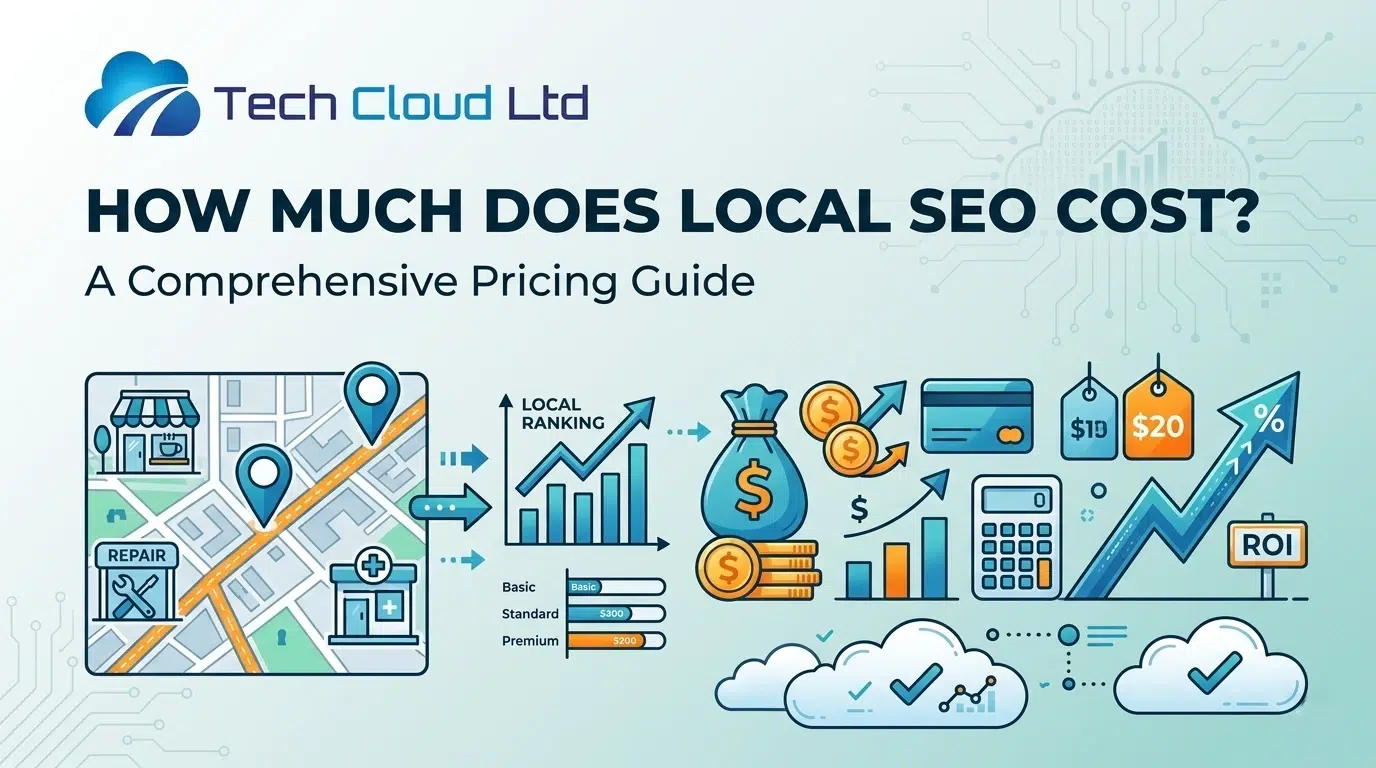
1. How much does local SEO cost?
Local SEO pricing typically depends on the agency and the complexity of your requirements. Most agencies charge from $500 up to $1500 monthly for local SEO management. In contrast, our premium local SEO services start at an affordable $350 per month, ensuring you get high-quality results while keeping costs low.
2. Is local SEO worth it?
Yes. Local SEO targets people actively searching for products or services nearby, so it typically delivers a strong return on investment. Improving local SEO rankings translates into more foot traffic, phone calls, and conversions.
3. What’s the future of local SEO?
AI-powered generative engines are likely to revolutionize local search in the coming years. Businesses that succeed will be those that focus on enhancing their Google Business Profile, creating high-quality local content, and optimizing their web presence for answer engines. Start prioritizing these strategies today to ensure sustainable success.
4. What is an example of local SEO?
Search queries with local intent illustrate local SEO: for example, “plumber near me,” “coffee shop in Dallas,” or “emergency dentist in New York.” For these queries, Google prioritises proximity and other location signals to display nearby service providers and stores.
5. What makes a Google Business Profile rank #1 in 2026?
Top profiles combine high engagement (clicks, calls, directions) with fresh weekly posts and photos. Google rewards profiles that evoke trust or urgency. Use real photos, correct categories, and mention local neighbourhoods or events.
6. Is local SEO dead?
No. Local SEO has evolved rather than disappeared. Basic tactics like citation consistency and keyword optimization remain necessary. The competitive advantage now comes from Behavioral SEO and applying human expertise to craft strategies that produce measurable results despite AI disruption.
7. How many reviews do I need to rank on local search?
There’s no single number that guarantees ranking. Aim to have as many or more reviews than your top local competitors. Google requires at least five reviews for the star rating to appear in search results. For a stronger edge, target a review count 10% to 25% higher than the median of current top‑ranking businesses.
8. How to hire the right local SEO agency for my business?
When hiring a local SEO agency, focus on their track record with businesses like yours, their knowledge of local search algorithms, and their ability to provide comprehensive services like Google My Business optimization and local citation building. Always request a detailed proposal before committing.
9. What is the most SEO‑friendly way to handle negative reviews?
Respond quickly, calmly, and professionally. Acknowledge the issue, apologize where appropriate, and offer to resolve the matter privately. To reduce the visibility of negative reviews, encourage satisfied customers to leave fresh positive reviews or add photos to their existing five‑star reviews, which Google tends to prioritize.
10. What is the Local Pack?
The Local Pack (also called the Map Pack or 3‑Pack) is a prominent Google feature that shows the top three business listings plus an interactive map for a local query. It usually appears near the top of results and captures more than half of local search clicks.
11. How can I use location‑based keywords effectively?
Add city/neighborhood naturally in titles, meta, headers, URLs, and content—early on the page. Create content that answers local questions about costs, weather, regulations, or community issues.
12. How do I get rank #1 in local searches?
Focus on relevance, proximity, and prominence. Perfect your Google Profile, keep NAP correct, collect reviews, and build local backlinks. Use real photos and “urgency” words to boost engagement. If you’re serious about Local SEO, hiring a professional SEO company is often necessary to achieve significant results.
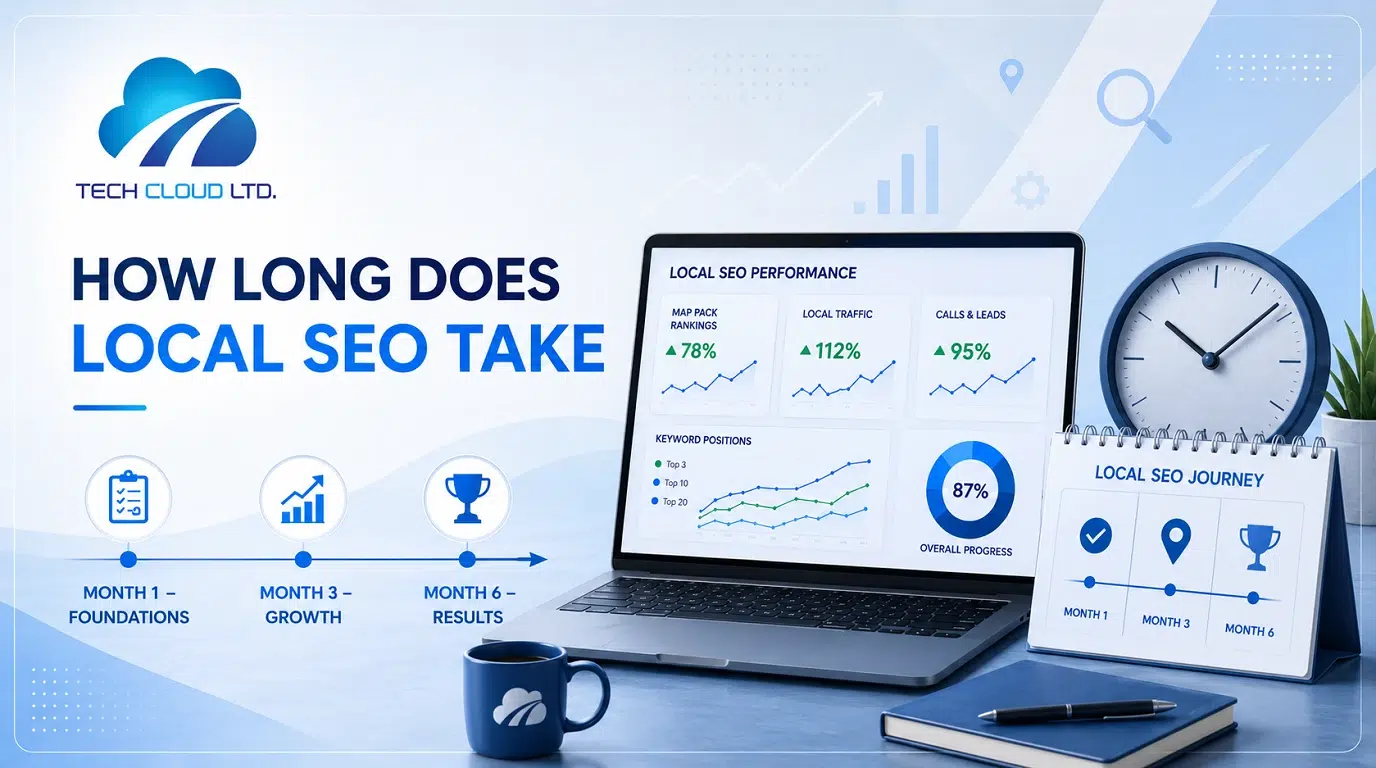
13. How long does it take to see local SEO results?
You can often see initial improvements within six weeks to a few months. More competitive industries or larger target areas may require several months of steady content creation, review generation, and link building to achieve significant ranking movement.
14. Google Ads vs Local SEO: Which one is better?
For long‑term growth, local SEO usually outperforms paid ads. Over 50% of searchers click through map packs or organic results, while local ads often have click‑through rates around 2%–5%. Ads give quick exposure; SEO builds lasting trust. Combining both works well.
15. Which local backlinks help rankings?
High‑impact local backlinks come from authoritative, locally relevant sources: Chambers of Commerce, neighborhood blogs, event sponsorship pages, and regional news outlets. Links from .edu or .gov resource pages are also valuable. Offering expert commentary to local journalists can earn strong “digital PR” backlinks that help improve local search rankings.