Ever paused at a billboard, mesmerized by a single image? Or maybe scrolled through Instagram and just had to click on that ad? That’s the magic of advertising photography—an art form where visuals don’t just capture attention; they tell stories that sell.
But let’s face it, creating photos that drive sales isn’t just about having a fancy camera or editing skills. It’s about specific strategies and techniques that consider buyer psychology. You need to understand what consumers feel, what grabs their attention, and how to make your product the hero.
If you’re ready to learn how to nail advertising photography and turn your images into sales machines, let’s dive right in.
What is advertising photography?
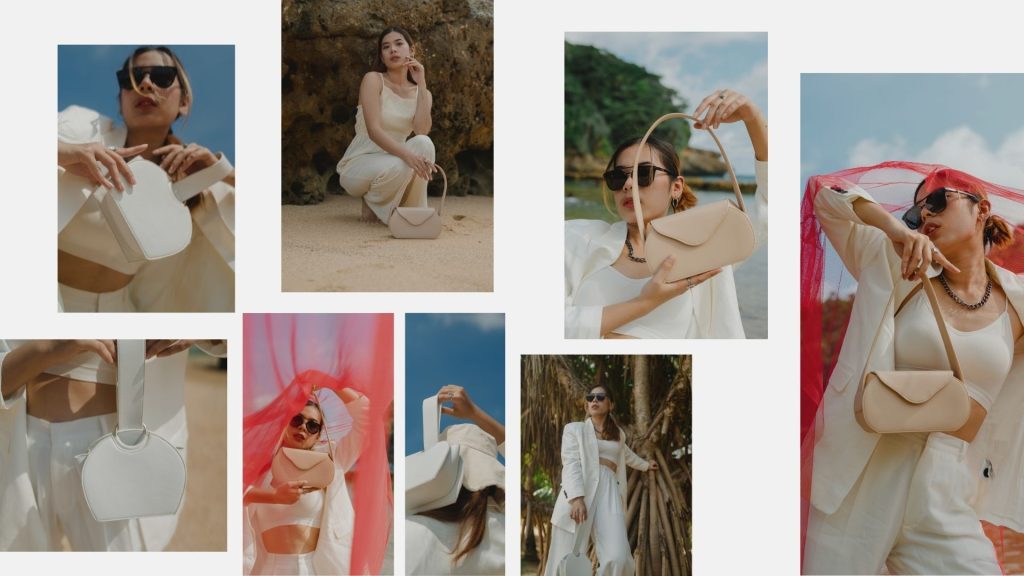
Advertising photography is the art and science of crafting images that hook consumers and drive sales. Just pretty pictures are not good enough. You need to create visuals that capture their attention, connect with them, and convince them to take the desired action.
Think about those perfectly lit product photography shots on e-commerce sites, the aspirational lifestyle images in magazines, or the bold, in-your-face images on social media ads.
In a nutshell, advertising photography is:
- Purposeful: Every shot is designed with one goal—convincing someone to take action (buy, click, share, etc.).
- Consumer-Centric: It speaks directly to the audience’s needs, emotions, and aspirations.
- Highly Creative: It blends artistic vision with brand and marketing messaging.
Why is it different from typical ‘photography’?
In regular photography, you might focus on aesthetics or storytelling. You will probably not need to think about persuading your audience to do something.
In advertising photography, storytelling is there, but every shot also answers one crucial question: “How does this make someone want the product or service?”
So, regardless of if it’s a sleek product shot, a lifestyle image, or a concept-driven visual, advertising photography sits at the intersection of creativity and strategy.
The psychology of advertising photography

To create captivating advertising photography, you need to know one golden truth: humans are emotional buyers. Although human beings love to think they are totally rational or make every decision in a logical manner, it is further from the truth.
The way we process visuals is deeply rooted in psychology and neuroscience. The human brain prefers visuals (whether it’s in the form of images or video) far more than other types of content.
In fact the human brain can process images 60000 times faster than text and process an image in just 13 milliseconds. This is probably the reason why most people prefer visuals over other forms of media.
So using visuals for advertising is one the most effective ways to convince people to buy your products or services.
Here’s how you can use this to your advantage:
1. Emotion triggers action
The brain makes decisions emotionally before logic kicks in.
For example:
- A mom sees an ad for a stroller, picturing herself walking her baby safely and stylishly. Sold.
- Someone spots a travel ad with a serene beach. They start imagining themselves there. Booking confirmed.
Your job? Tie emotions to your images. Think about what your audience craves—comfort, joy, excitement, success—and let your photo evoke that.
2. The power of visual appeal
We process visuals more quickly than text but your audience is probably getting exposed to thousands of images per day. An ordinary advertisement photograph will not do much good for your sales unless you consider standing out.
So what’s the solution: Use images that grab attention instantly. To that you can incorporate bold colors to stand out, use leading lines to direct focus to your product or try unusual compositions to spark curiosity.
3. Create FOMO (fear of missing out)
We are probably living in the age of options. There are too many options for everything. While it might seem like a great thing. However, people get confused among the countless options and may stay away from making the buying decision altogether. So, how do you counter that?
Answer: Use scarcity and urgency. By doing that, your product or service might not look like another option but a limited-time opportunity. Definitely practice honesty, but don’t forget to convey whether your product is a limited edition item.
Alternatively, give customers a time frame for buying; after that, genuinely stop selling the product for a few days and focus on other items. Think about those photos with “Only 3 left!” banners. Simple but effective.
4. Relatable context = more sales
People buy what they can see themselves using. Relatability builds trust and connection, making consumers think, “That could be me!”
So, show your product in action. Advertising photography examples include:
- A cozy blanket on a sofa for a home goods ad.
- A stylish pair of sneakers hitting the trail for a fitness brand.
5. Trust cues
Psychologically, high-quality visuals signal professionalism and trustworthiness. If your photo looks sharp and well-crafted, consumers feel your brand is credible. You can also add visual elements in your image to convey social proofs.
However, Overloading images with too many elements might dilute the message. Instead, focus on integrating just enough visual cues that align smoothly with your brand’s narrative and values.
How advertising photography shapes consumer perception

A single photo can make or break how people view your product or service. It’s not just about what they are seeing, what they are feeling is often more important.
It’s not just about showing what you’re selling—it’s about shaping how they feel about it.
1. Setting the tone
Advertising photography defines your brand’s vibe. Are you playful, elegant, edgy, or trustworthy? Your visuals should align with your brand identity.
A bold, colorful style suits trendy products, while muted, sophisticated tones might work better for luxury items.
2. Building desire
Great advertising photos don’t just show products; they make consumers want them.
For instance:
- A steaming cup of coffee in warm lighting creates a cozy, inviting mood.
- A high-tech gadget placed in a futuristic setting feels innovative and essential.
3. Telling a story
Humans love stories, even in images. Use advertising photography to create a narrative.
Advertising photography ideas include:
- A fitness watch on someone mid-run tells the story of performance and achievement.
- A perfume bottle in a romantic setting whispers tales of allure and elegance.
4. Influencing perceived value
Luxury brands use sleek, minimalistic images to imply exclusivity and quality. Affordable brands go for bright, cheerful photos to show accessibility and fun. The way your product is presented directly influences how valuable consumers think it is.
Difference between commercial and advertising photography
If you’re diving into the world of advertising photography, you might wonder: Isn’t this the same as commercial photography? The short answer is no—they overlap, but they serve distinct purposes.
Understanding the difference will sharpen your focus (pun intended!) and help you create photos that deliver results.
What is commercial photography?
Commercial photography involves creating images for businesses to use in various contexts, including brochures, websites, catalogs, and even internal documentation.
The goal here is functional: you’re helping businesses showcase their products or services in a professional manner.
Advertising photography examples include:
- Product photos on a white background for an e-commerce site.
- Corporate team portraits.
- Real estate photos for property listings.
What is advertising photography?
On the other hand, advertising photography is laser-focused on driving sales or promoting a brand. It’s not just about showing a product but creating an emotional connection or desire in the viewer.
Your advertising photos should make people think, “I need this in my life!”
Advertising photography examples include:
- A luxury car speeding through a picturesque landscape.
- A product lifestyle shot showing happy people using the brand’s items.
- A bold, creative image for a perfume ad that screams sophistication and allure.
Key differences between commercial and advertising photography
| Aspect | Commercial Photography | Advertising Photography |
| Goal | Show the product or service clearly and accurately. | Inspire action or emotion; persuade people to buy or engage. |
| Creativity | Minimal creativity; focus on clarity and details. | High creativity; storytelling and emotional impact are key. |
| Target Audience | Businesses and stakeholders. | Consumers and end-users. |
| Use Cases | Catalogs, websites, brochures, internal documents. | Billboards, social media ads, magazines, digital ads. |
| Styling | Simple, clean, and practical. | Bold, dynamic, and emotionally charged. |
A practical example:
Imagine you’re hired to photograph a chair:
Commercial photography: You’d focus on showing the chair from multiple angles, highlighting features like adjustable height, material, and color. Your job is to make it look appealing but straightforward.
Advertising photography: Here, you might photograph the chair in a cozy living room, with soft lighting, a book on the seat, and a steaming cup of tea nearby. The idea is to evoke feelings of comfort and relaxation—making the viewer think, “That chair belongs in my home!”
Types of advertising photography
Advertising photography is a powerful tool. It captures attention. It tells stories. It sells products.
However there are different approaches for each industry and type of product. Knowing the types of advertising photography will help you choose the right style for every project.
1. Product advertising photography
Product photography is the MVP of advertising photography. It’s all about making the product the star of the show—no distractions, no clutter, just the product in its full glory.
Subcategories:
- Studio Product Shots: Clean, detailed, and professional photos with artificial lighting setup against a neutral or branded background.
- Lifestyle product photography: Shows the product in use or within a relevant context.
- Ecommerce photography: Think clean, no-frills shots on white backgrounds. These are the bread and butter for online shopping platforms like Amazon or Shopify.
- Creative product photography: Uses dramatic lighting, reflections, or unique compositions to make the product pop.
2. Fashion and apparel advertisement photography
Fashion ads are all about attitude and aspiration. You’re not just selling clothes or accessories—you’re selling a lifestyle.
Subcategories:
- Runway-style shoots: Bold, editorial-style images for high-fashion campaigns.
- Jewelry photography: Capturing intricacies and beauty of precious gems and jewels to entice.
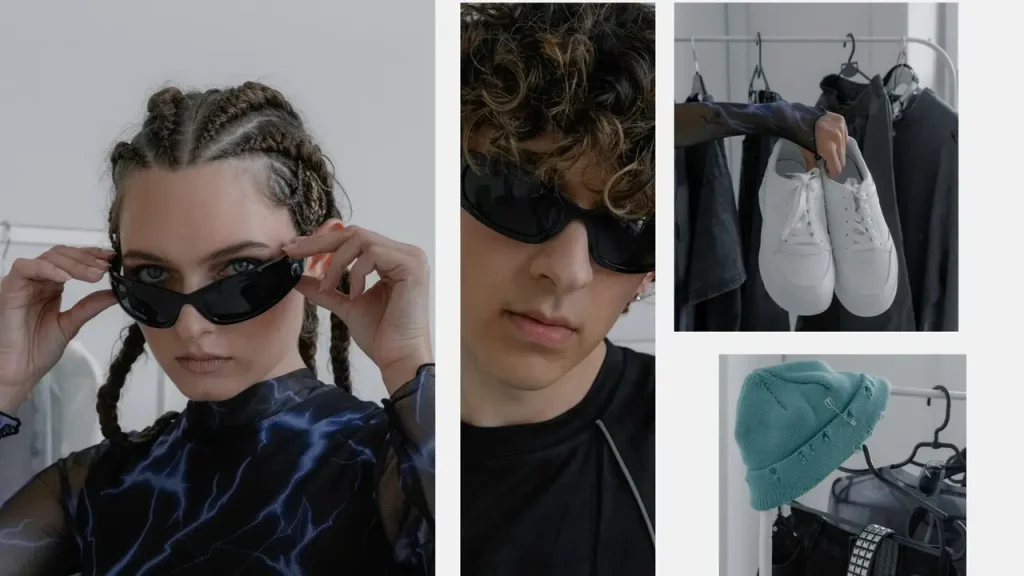
- Streetwear photography: Casual, dynamic photos for urban or youth-focused brands.
- Shoe photography: Aimed to highlight the quality, style, and design of shoe products.
- Clothing photoshooting: Showcasing clothes through flat lays to ghost mannequin photography.
- Accessories advertising: Close-ups of items like watches, jewelry, or handbags styled to perfection.
3. Food and beverage advertising photography
Who can resist a photo of a gooey pizza slice or a frosty glass of lemonade? Food ads play a role in cravings and sensory appeal.
Subcategories:
- Studio food photography: Carefully styled food, often shot with props to create a story.
- Action food photography: Capture dynamic moments—like syrup dripping onto pancakes or a splash of wine pouring into a glass.
4. Lifestyle advertisement photography
This type blends products or services into aspirational real-life settings. It’s about making the audience think, “That could be me!”
5. Conceptual advertising photography
This is where your creativity shines. Conceptual ads rely on unique ideas and visual metaphors to convey a message.
6. Corporate and service-based advertising photography
Not all ads are for products—some are for services like healthcare, education, or financial planning. Corporate headshot photography, model photoshootings are also included in this type of advertising photography.
7. Event or seasonal advertising photography
This type of promotional photoshooting captures the spirit of holidays, festivals, or special events to align with seasonal campaigns.
Pro Tip:
Combine Types: Many successful advertising campaigns mix different types of photography. For instance, a fashion ad might blend lifestyle and editorial styles, or a food ad might combine studio and action shots. Experiment with what works for your brand or client!
Now that you know the types, it’s time to dig deeper into tips, tricks, and common mistakes to avoid. Let’s keep going!
Benefits of using professional-looking advertising photographs
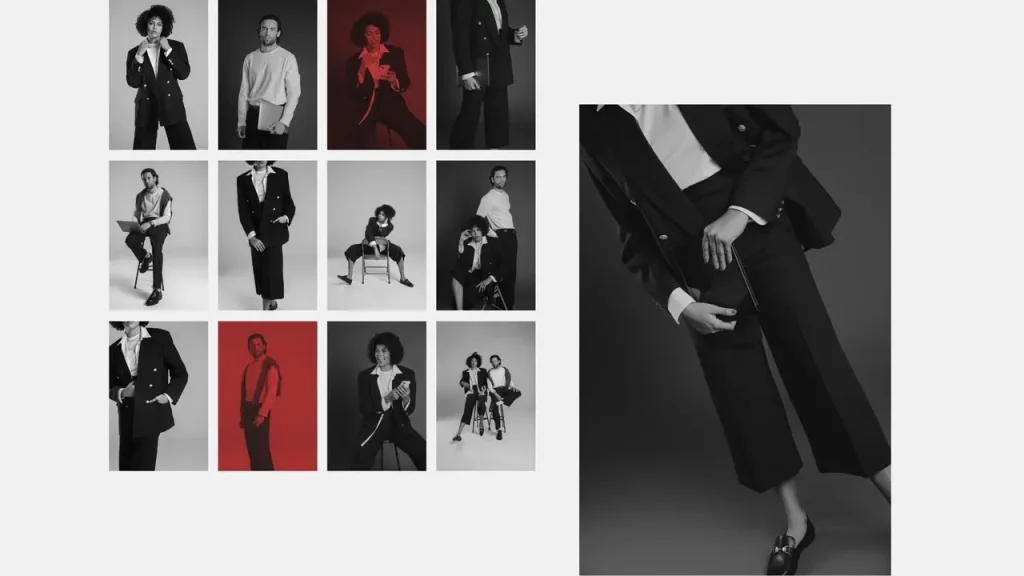
Why is advertising photography such a big deal? Because it works. The world we live in today is a visual-first world. No matter what many people might say, people do judge a book by its cover.
When it comes to sales photography, that “cover” is your ad photo. A polished, professional image can be the difference between a customer clicking “Buy Now” or scrolling past.
Let’s explore the major benefits of using professional advertising photographs:
1. Grabs attention instantly
Humans are wired to process visuals faster than text. A compelling ad photo can stop people mid-scroll on social media or catch their eye in a busy street. Your images become the hook that reels them in.
2. Boosts brand recognition
Consistent, high-quality advertising photography helps establish your brand’s identity. When consumers repeatedly see your unique visual style, they start associating it with your brand. Think Coca-Cola’s vibrant red campaigns or Apple’s minimalist, sleek images.
3. Enhances emotional appeal
Photos tap into emotions like no other medium. Whether it’s joy, nostalgia, or aspiration, well-crafted advertising photography builds a deep emotional connection with your audience, making your product irresistible.
4. Drives higher engagement and sales
Studies show that ads with strong visuals generate higher engagement and conversion rates. People are more likely to share, click, or buy when your photo resonates with them.
5. Showcases your product in the best light
Advertising photography allows you to highlight the unique selling points (USPs) of your product—whether it’s the luxurious texture of a fabric, the vibrant colors of a dish, or the sleek design of a gadget.
6. First impressions matter
In just 1/10th of a second, viewers form a first impression of your product or brand. A professional-looking ad photo conveys trust, quality, and attention to detail—all of which influence buying decisions.
7. Builds credibility
Would you buy from a website with blurry, poorly lit photos? Probably not. High-quality advertising photography signals that your brand is reliable and worth investing in.
Importance of image post-production in advertising photography
No matter how good your photography skills are, raw images are rarely ready to hit the market. Post-production is the secret weapon that takes your advertising photography from good to jaw-droppingly great.
Particularly, product photo retouching and specialized commercial image editing are crucial to creating appealing advertising photographs.
Here is why image post-processing is so important for advertisement photographs:
1. Enhances quality
Editing and image retouching ensures your photos look sharp, clean, and professional. Adjustments to exposure, contrast, and sharpness make the image pop, making your product shine.
2. Adds consistency
In branding, consistency is king. Post-production ensures your ad photos maintain the same tone, color palette, and style—no matter when or where they’re used.
3. Corrects imperfections
Even the best shoots can have flaws—wrinkles in fabric, dust on a product, exposure issues in jewelry photos or uneven lighting.
Specific retouching services such as jewelry retouching for gemstones and ornaments, packshot retouching for products with packaging, model photo retouching for lifestyle products works best for advertisement photographs.
4. Incorporates creative effects
Want to add dramatic lighting, surreal backgrounds, or text overlays or create a ghost mannequin effect? Post-production and graphics design services give you endless creative freedom to align your image with your campaign’s message.
Pro tips for post-production
- Use advanced editing tools: Master software like Adobe Photoshop or Lightroom. These programs allow precise adjustments and give you control over every detail.
- Invest in color grading: The right color tones can evoke specific emotions—warm tones for coziness, cool tones for sophistication, and bold colors for excitement.
- Outsource if needed: If you’re not confident in your editing skills, consider hiring a reputable image editing and retouching company such as Tech Cloud Ltd. It’s worth the investment for high-stakes campaigns.
How to advertise photography
Okay, you’ve shot a stunning photo. Thinking about how to advertise photography? Here’s how to effectively use your advertisement photography to maximize its impact.
1. Understand your target audience
Before you place your photos anywhere, ask yourself:
- Who am I speaking to?
- What problem does my product solve?
- Where does my audience hang out, online or offline?
Tailoring your ad photos to your audience ensures they connect with the right people.
2. Leverage multiple platforms
Each platform has its strengths. Your ad photo’s placement should align with the platform’s vibe:
- Social Media Ads: Use bold, eye-catching visuals that work well on Facebook, Instagram, or TikTok.
- Print Campaigns: Opt for high-resolution images with clear messaging for magazines or posters.
- E-Commerce Sites: Showcase your product from all angles with lifestyle and product shots.
3. Use attention-grabbing text and layouts
Your photo might be the star, but the supporting cast—like text and design—matters too. Pair your images with compelling headlines, CTAs (Calls to Actions), or taglines that emphasize the message.
4. A/B test your photos
If you’re running a digital campaign, don’t rely on just one image. Test different variations to see which performs better. For example:
- Does the product shot with a clean white background convert better than the lifestyle shot?
- Does warm lighting perform better than cool lighting?
Use the data to refine your campaigns.
5. Incorporate user-generated content (UGC)
Combine your professional advertising photography with real-world customer photos. Consumers trust peers, and mixing polished and authentic visuals adds credibility to your campaigns.
6. Optimize for SEO
If your ad photos are going online, don’t forget to implement SEO! Use descriptive file names, alt text, and captions. For example:
- File Name: “red-leather-handbag-advertising-photography.jpg”
- Alt Text: “Red leather handbag on a modern wooden table with a blurred background.”
7. Keep branding consistent
Your advertising photos should align with your brand’s overall look and feel. Use the same color schemes, fonts, and tone of voice across all your campaigns for a cohesive image.
Action Plan for Advertising Your Photos:
- Run a Social Media Ad Campaign: Use your best photos and set up targeted ads.
- Send Out Email Campaigns: Incorporate your visuals into email blasts with clickable CTAs
- Collaborate with Influencers: Share your ad photos with influencers to reach wider audiences.
- Build a Portfolio: Showcase your best advertising photography examples on your website to attract future clients.
Best practices: Advertising photography ideas, examples & tips
Creating stellar advertising photography requires more than just pointing a camera at your product. It’s a mix of technical expertise, creativity, and a deep understanding of how visuals influence buying behavior.
Here are some best practices, along with examples and actionable tips:
1. Know your product inside out
Before you even set up your camera, spend time understanding the product. What makes it special? What problem does it solve? Who is it for?
Example: For a luxury watch, focus on its intricate design, high-end materials, and exclusivity. Highlight the craftsmanship with close-up shots of the dial and straps under dramatic lighting.
Tip: Create a list of the product’s unique selling points (USPs) and build your photo shoot around them.
2. Tell a story with your photos
People don’t just buy products—they buy the lifestyle or emotion tied to them. Use advertising photography ideas that tell a story about how the product fits into the consumer’s life.
Example: For outdoor gear, show an adventurous hiker at sunrise, with the gear in use. The focus isn’t just on the product but the aspirational lifestyle it represents.
Tip: Think about the “hero’s journey” in your image. Your product is the hero solving a problem or fulfilling a dream.
3. Master the art of composition
Composition is the backbone of any great photo. Use principles like the rule of thirds, leading lines, and symmetry to guide the viewer’s eye to the product.
Example: In flat-lay photography for food ads, arrange the ingredients around the dish in a balanced, visually pleasing way.
Tip: Keep backgrounds clean and uncluttered to ensure the product is the focal point.
4. Experiment with lighting
Lighting can make or break your shot. Soft, diffused lighting is great for lifestyle shots, while hard, directional lighting works well for dramatic product images.
Example: For a perfume ad, use backlighting to create a glow around the bottle, emphasizing its sleek design.
Tip: Use reflectors and diffusers to control natural light, or invest in studio lights for precision.
5. Incorporate brand colors and themes
Every element in your photo should align with the brand’s identity, including colors, props, and mood.
Example: Think of Target. Their advertising consistently showcases bold reds and whites, creating a striking visual identity.
Tip: Create and follow a branding guideline, then stick to it.
6. Use models or contextual elements
Sometimes, showing the product in use adds a human touch and makes it relatable.
Example: For a tech gadget, show someone using it in a sleek office environment to highlight its utility and modern design.
Tip: Choose models or settings that resonate with the target audience.
7. Stay consistent across campaigns
Whether it’s lighting, tone, or style, consistency builds brand recognition.
Example: Apple’s advertising photography always exudes minimalism and elegance, regardless of the product.
Tip: Create a checklist to ensure uniformity across multiple shoots for the same campaign.
8. Incorporate movement or action
Static shots are great, but action shots can bring energy and life to your campaign.
Example: For a sneaker ad, capture a runner mid-stride on a trail, with the shoe’s features highlighted.
Tip: Use a fast shutter speed to freeze motion or experiment with slow shutter speeds for creative blur effects.
Common advertising photography mistakes you must avoid
Even seasoned photographers make mistakes, but the key is to learn and improve. Here are the most common pitfalls to watch out for:
1. Ignoring the target audience
If your photos don’t resonate with the intended audience, even the most stunning images won’t drive sales.
Solution: Research your audience before shooting.
2. Cluttered composition
Too many elements in the frame can distract from the product.
Solution: Simplify the shot and focus on the product as the hero.
3. Over-reliance on post-production
While editing is essential, don’t fixate on “fixing it later” in Photoshop.
Solution: Aim to get everything right in-camera first.
4. Poor lighting
Flat or uneven lighting can make the product look unappealing.
Solution: Use controlled lighting setups to highlight the product’s features.
5. Neglecting the brand’s identity
Photos that don’t align with the brand can confuse customers.
Solution: Always consult brand guidelines before starting.
6. Low-quality images
Grainy, pixelated photos scream unprofessional.
Solution: Invest in a high-quality studio setup and ensure proper resolution settings.
Final thoughts
Mastering advertising photography is both an art and a science. From understanding your audience to nailing composition, lighting, and post-production, every detail matters.
Avoid common mistakes, draw inspiration from real-world examples, and always strive for authenticity in your work. When done right, your photos won’t just sell products—they’ll create unforgettable brand stories. Ready to take your shots to the next level? Let’s go!

Advertising photography FAQ
1. What is product advertising photography?
It’s a type of advertising photography focused on showcasing products in a way that highlights their features and appeals to the target audience.
2. How do you do advertisement photography?
Start by understanding the product, audience, and campaign goals. Use professional equipment, creative lighting, and post-production techniques to produce high-quality images.
3. What are the characteristics of advertising photography?
A clear focus on the product, emotional appeal, brand alignment, and storytelling are key traits of successful advertising photography.
4. What is photography for advertising called?
It’s commonly referred to as advertising photography, product photography, or marketing photography.
5. Why is photography important in advertising?
Visuals grab attention, convey emotions, and showcase products effectively, driving higher engagement and sales.