Ever wondered what makes some websites stand out in search engine results? Particularly those rich search results with ratings, images, or quick answers? These results aren’t random, they are powered by something called SEO-rich text and structured data.
If you are familiar with digital marketing terms, these are the ones you probably heard a lot. But what is SEO-rich text? What does structured data in SEO mean? How does these drive better ranking and rich results on search engine result pages (SERPs)?
In this guide, we will shed light on these questions and guide you toward creating effective SEO optimized text that ranks and gets featured in rich snippets. Let’s dive in.
What is SEO rich text?
SEO-rich text is the backbone of any successful web page. This specific form of text refers to written content that’s optimized for search engines while still being engaging and valuable for readers.
It’s all about writing unique and helpful content, weaving keywords and relevant terms naturally into your text, structuring it for readability, and providing information that search engines can easily index.
For example, when someone searches for “best smartphones in 2025,” SEO-rich text on your webpage should include exact or variations of that phrase, along with detailed, accurate, relevant, well-organized content that satisfies their query.
Creating SEO-rich text is not about stuffing keywords unnecessarily. Your focus should be creating content that is helpful and readable for the readers, as well as understandable to search engines.
What is a rich snippet in SEO?

Rich snippets in SEO are like the deluxe version of search results. Instead of showing just a plain title, URL, and meta description, rich snippets include extra details.
These could be ratings, prices, images, FAQs, or even recipes—depending on the type of content.
For instance, if you search “pasta recipe,” a rich snippet might show you an image of the dish, the cooking time, ingredients, and even reviews—all before you click the link.
So, what is a rich snippet in SEO really about? Driven by a specialized form of SEO rich text, called structured data or schema markup, rich snippets are about giving users a sneak peek into what your page offers.
These look good, improve your click-through rate (CTR) and drive more traffic to your website.
How do SEO-rich snippets work?

Here are the secrets behind rich snippets: SEO rich content and structured data. Think of it as a way of tagging your high quality SEO friendly content so search engines understand it better.
Through the implementation of structured data markup, you’re telling Google, “Hey, this is a recipe,” or “This is a product with a review score of 4.5 stars.”
When Google recognizes that markup, it might enhance the search result with those extra details. Let’s break it down:
1. You provide structured data
This involves adding code to your website to define specific elements of your content.
2. Google processes the data
Search engines crawl your page, identify the markup, and determine if it’s valuable to users.
3. Rich snippets appear
If your SEO-rich text content and the markup pass Google’s quality checks, your search result is upgraded with those flashy extras. SEO-rich text works hand in hand with rich snippets.
The better your content and structure, the more likely it is that Google will feature it as a rich snippet.
But you also need to use proper schema markup according to Google’s guidelines. Having your content getting highlighted in rich snippets means more visibility, more clicks, and, eventually, more success for your website.
Why rich-text matters for SEO

Why is SEO-rich text so important? The straightforward answer is it serves as the foundation for higher rankings and visibility on Google and other search engines.
The primary reason why Google ranks some pages over others is largely based on the content quality and its relevance.
Google wants to provide users with the most helpful and relevant results that match the intent and query. Here are a few key reasons why SEO-rich text is a big deal:
- Improved rankings: Search engines use your content to figure out if your page answers a search query. Well-optimized text packed with helpful information, the right keywords, and structure signals that you’re offering valuable information.
- Better user experience: Rich, detailed text helps visitors find exactly what they’re looking for. If people spend more time on your site, Google takes note and raises your ranking.
- It increases visibility in SERPs: SEO-rich text, when paired with rich snippets, makes your results stand out visually. Higher visibility can easily be translated to more clicks and more traffic.
- Better Targeted Traffic: SEO-rich text ensures that your content aligns with user intent. When someone searches for “what is rich snippets in SEO,” they land on your page because it directly answers their question. This means more qualified leads.
- Competitive Advantage: If your competitors aren’t using SEO-rich quality content they are falling behind in terms of SEO. However, this is your opportunity to leap ahead. Even if they are, doing it better can give you the edge.
How does SEO-rich text help Google understand your web pages?

Think of Google like a librarian who’s trying to match books (your web pages) to readers (searchers). For the librarian to do their job well, they need clear labels, summaries, and keywords to identify what the book is about.
That’s what SEO-rich text does for your website—it helps Google “read” and categorize your pages. Here’s how it works:
1. Keywords as signals
Google scans your content for keywords to understand its topic. By naturally weaving in phrases like “What is SEO-rich text” or “rich snippets in SEO,” you’re giving Google clear clues.
2. Structured content
Using headings, lists, and short paragraphs makes it easier for Google to interpret your page. It knows exactly where to find key information.
3. Context through semantic SEO
Google looks at more than just keywords. It examines related phrases, terms, synonyms, and contexts that naturally come with in-depth, helpful content.
For example, if your page is about “rich results in SEO,” Google might also look for and recognize terms like “featured snippets” or “structured data.”
4. Structured data takes it further
By using Schema markup, you add another layer of clarity that enables Google to highlight your content in rich snippets.
The more Google understands your content, the more likely it is to rank high and the better chance you have of being featured in those coveted rich snippets.
Types of SEO-rich snippet
Getting featured in Rich snippets is a great way to make your page pop in search results. Let’s break down the main types of rich snippet and how they can benefit you:
1. Review snippets
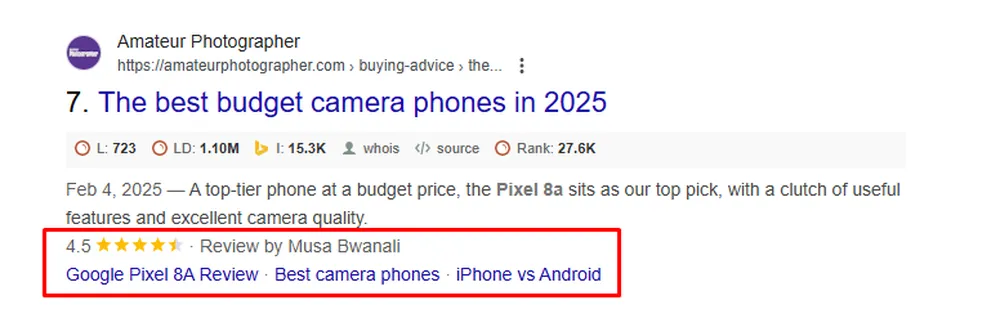
- What it shows: Star ratings, review counts, and snippets of feedback.
- Example: “4.8 stars from 1,200 reviews.”
- Where to use the schema: Product pages, service reviews, or testimonial-based content.
2. Recipe snippets

- What it shows: Ingredients, cooking time, calories, and images.
- Example: “Prep: 10 mins | Cook: 20 mins | 200 calories.”
- Where to use the schema: Food blogs, recipe sites, or cooking-related content.
3. Product snippets

- What it shows: Price, availability, and product details.
- Example: “$49.99 | In Stock.”
- Where to use the schema: Online stores or E-commerce websites.
4. FAQ snippets
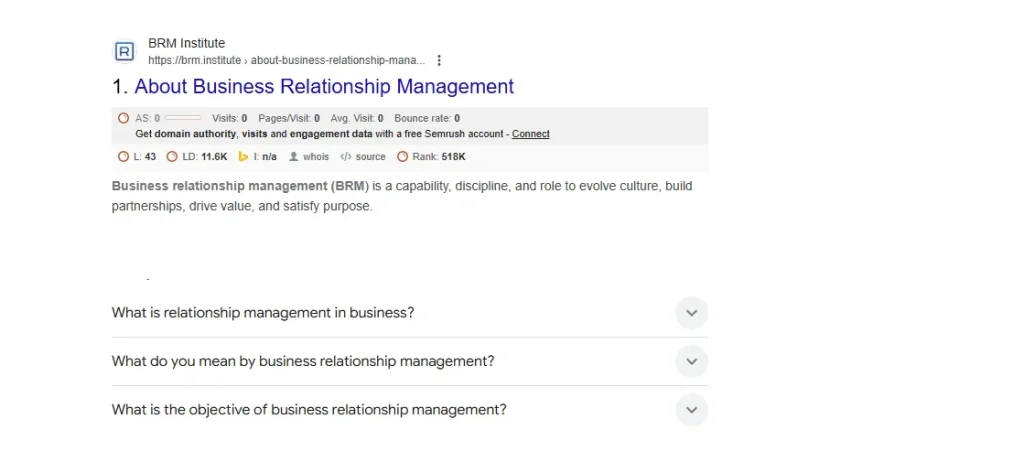
- What it shows: A list of frequently asked questions and their answers.
- Example: “Q: What is SEO-rich text? A: Optimized content designed for search engines.”
- Where to use the schema: Blogs, service pages, or help sections.
5. Event snippets

- What it shows: Time, date, and location of events.
- Example: “Event: SEO Workshop | Jan 25, 2025 | 10 AM.”
- Where to use the schema: Concerts, webinars, conferences, or community events.
6. Video snippets
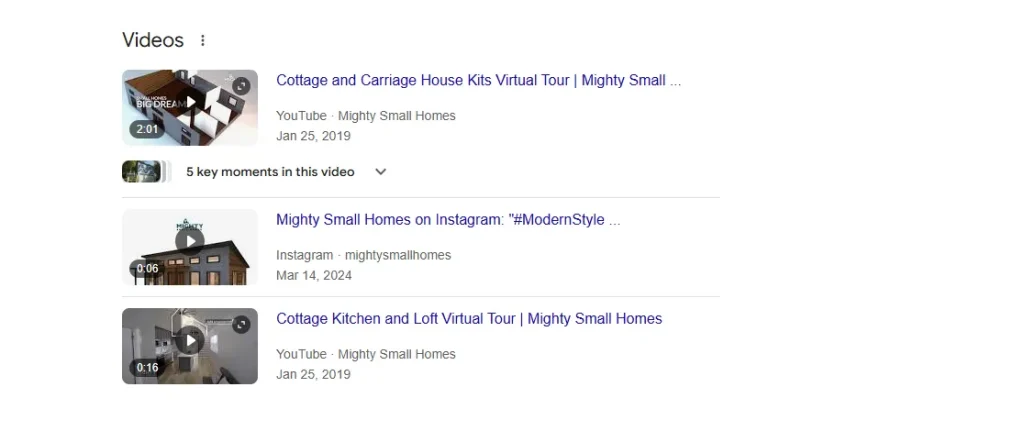
- What it shows: Video thumbnails and playback details.
- Example: “How to bake cookies | Watch now.”
- Where to use the schema: Tutorials, how-to guides, or entertainment content.
How to optimize your site for rich snippets
Getting your content featured in rich snippets can feel like a big task, especially if you’re new to SEO. But don’t stress—this guide breaks it down step by step. Let’s get started:
1. Use structured data markup
Structured data is a special type of code added to your website that helps search engines understand your SEO-rich text content better.
It’s like providing a cheat sheet for Google, so it knows what’s important—think reviews, product details, FAQs, recipes, and more.
Without it, Google has to work harder to understand your content—and that means you’re less likely to get a rich snippet.
Schema markup example:
{
“@context”: “https://schema.org”,
“@type”: “Product”,
“name”: “Wireless Headphones”,
“description”: “High-quality wireless headphones with noise cancellation.”,
“brand”: “SoundPro”,
“aggregateRating”: {
“@type”: “AggregateRating”,
“ratingValue”: “4.8”,
“reviewCount”: “1500”
},
“offers”: {
“@type”: “Offer”,
“price”: “99.99”,
“priceCurrency”: “USD”,
“availability”: “https://schema.org/InStock”
}
}
How to implement it:
- Start with Schema.org to find the right type of markup for your content (e.g., FAQPage, Recipe, Product, etc.).
- Use JSON-LD, the preferred format by Google, to add the schema markup.
- If your website is developed with WordPress, plugins like Yoast SEO, Rank Math, or Schema Pro can generate the markup for you, making the process beginner-friendly.
- For non-WordPress users, you can manually add the JSON-LD script to your page’s HTML. Tools like Google’s Structured Data Markup Helper can make this easier.
Pro tip: Once you’ve added schema markup, test it using Google’s Rich Results Test Tool to check if it’s valid and working correctly.
2. Focus on high-quality content

Google prioritizes rich snippets for SEO-rich quality content that delivers clear and detailed answers. Unoriginal, poor-quality or vague content won’t qualify.
How to create content that qualifies for rich snippets:
- Make sure your content is fully relevant to the keyword and topic you are focusing on.
- Research common questions users have about your topic (use tools like AnswerThePublic or Google’s People Also Ask section).
- Create easily readable content using headings, tables, bullet points, and concise paragraphs for improved accessibility for users and search engines.
- Ensure your SEO-rich text is original, helpful and satisfies the needs of your reader.
- If you’re targeting specific rich snippet types like FAQs or “How-to,” format your content to match. For example:
- Use proper “Question” and “Answer” structures for FAQs.
- Break down steps for “How-to” content with numbered lists or ordered steps.
- Fix grammatical and spelling errors. Also, correct any wrong information in the content.
3. Optimize your meta data
Your page title and meta description play an important role in qualifying for rich snippets. Search engines utilize these to comprehend your page’s context and display relevant snippets.
How to optimize metadata for rich snippets:
- Use primary keywords naturally in both your title and meta description. Example: If your page is about “eCommerce SEO,” your title could be: “What is eCommerce SEO? Tips to Rank Higher”
- Write your meta description like a short pitch—it should summarize the page content and encourage users to click.
4. Ensure mobile optimization

Since Google prioritizes mobile-first indexing, it’s critical that your site works properly on mobile devices.
Mobile optimization tips:
- Use responsive web design that smoothly adjusts to different screen sizes. Take professional website design service if you are a beginner.
- Compress images to improve page load speed—tools like TinyPNG or ImageOptim are great for this.
- Ensure your structured data is valid across both desktop and mobile versions of your site.
Pro Tip: Check your mobile-friendliness with Google’s Mobile-Friendly Test Tool.
5. Test your structured data & monitor performance
Adding structured data is one thing, but ensuring it’s error-free is another. Even small mistakes in your schema markup can prevent your content from qualifying for rich snippets. Once you are sure everything is alright, track your progress to see what’s working.
How to monitor results:
- Use Google Search Console to check if your rich snippets are appearing. For deeper analysis, try the Schema Markup Validator.
- Look under the “Enhancements” section to see if your structured data is being recognized.
- Monitor click-through rates (CTR) and impressions in Google Analytics or Search Console to see if rich snippets are boosting your performance.
How to write SEO-rich text

Writing SEO-rich text takes a significant amount of expertise to make content appealing to users and search engines. To make it easier for you, here are some steps to write SEO-rich content that ranks:
1. Start with keyword research
Identify the primary and secondary keywords you want to target (e.g., “what is SEO-rich text”) and related terms like “rich snippets in SEO” or “rich results in SEO.”
Consider using SEO tools such as Google Keyword Planner, Ahrefs, or Semrush for assistance.
2. Write for readers first, SEO second
Your content should always prioritize the user. Focus on answering questions, offering insights, solving problems, or providing actionable advice while incorporating keywords naturally into the text.
3. Use headings and subheadings
Break your SEO-rich content into sections using H1, H2, and H3 tags. This will improve readability and help search engines understand your content hierarchy.
4. Optimize for readability
Try to use shorter sentences and paragraphs. Use bullet points, numbered lists, and bold text to make important points stand out.
5. Add relevant internal and external links
Link to related content on your website and high-authority external sources. This enhances user experience and might signal credibility to search engines.
6. Proofread and edit
Spelling, grammar, and informational errors can hurt your credibility. Make sure your content is well-edited and professional.
7. Incorporate structured data
Align your content with rich snippet formats. For example, if you’re writing a recipe, include ingredients, cooking times, and calorie information so you can add Schema markup later.
Final words on SEO-rich text
SEO-rich text is a primary ingredient for better rankings, higher click-through rates, and a more engaging web presence. Structured data just takes it further. Start by refining your content, implementing structured data, and avoiding common mistakes.
Sounds like a hassle? Contact us for professional SEO services today and let our team optimize your site for you. The digital spotlight is waiting—make sure your website shines in it!